How Long Does Alcoholic Neuropathy Take to Go Away?
The Effects of Chronic Alcohol Consumption on Your Nerve Tissue
Have you noticed unusual sensations in your arms and legs, difficulty walking, or numbness?
If you feel these symptoms and struggle with an alcohol addiction, it may be time to consider the root cause: a case of alcoholic neuropathy. Without treatment, those symptoms may continue to worsen.
But there are effective treatments for this painful condition. But let’s get to the reason you likely arrived at our resource: once you are sober, how long does alcoholic neuropathy take to go away?
Alcoholic neuropathy may go away in the first six months to one year of treatment following abstinence. For more serious cases, it could take years to resolve, and some nerve damage may be permanent.
Your best chance at reversing the symptoms is correcting nutritional deficiencies and quitting alcohol.
Icarus Behavioral Health in Nevada is here to support you when you receive a difficult diagnosis like this. We aim to make you comfortable and help you address the issue at the source. Keep reading to learn more about alcoholic neuropathy and the paths to treatment.
Developing Alcoholic Neuropathy with Alcohol Abuse

In addition to all of the negative choices you might make while drinking, there are physical symptoms of booze that are less easily reversed. Alcohol-induced neuropathy is a serious condition that impacts the health of your nervous system. How does it work, and what can you expect from this condition?
In short, alcohol addiction creates a whole-body response that can impact the peripheral nerves and general nerve health. These peripheral nerves facilitate the connection between the brain and spinal cord, extending out to the rest of the body.
It’s believed that alcoholic neuropathy develops for two reasons. First, the nervous system is actually poisoned by heavy drinking and sustains lasting damage. Second, the nutritional deficiencies that often occur when someone is drinking can compound these initial effects.
This means that you’re likely to have some serious symptoms of alcoholic neuropathy when the nerves no longer function as they once did.
Get Effective Detox and Rehab Options at Icarus
Alcoholic Neuropathy Symptoms: Muscle Weakness, Numbness, and More
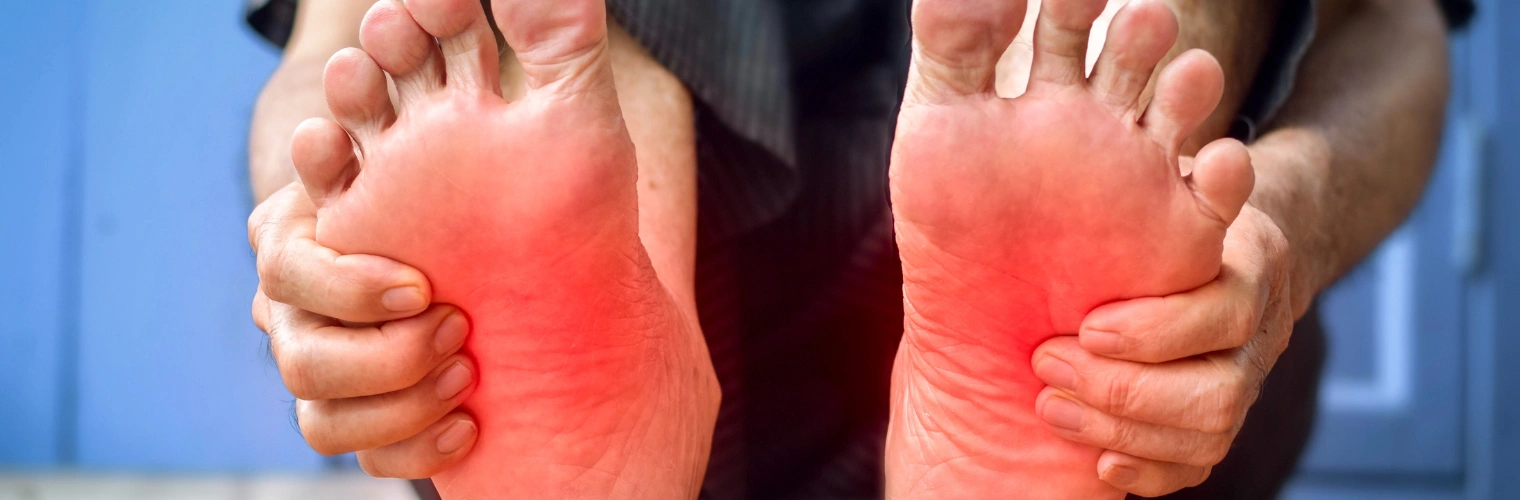
The symptoms of alcoholic neuropathy are wide and varied, but they often affect the extremities first. If you experience any of these symptoms, you’re likely to exhibit them on both sides instead of favoring one side over the other. In other words, it’s a full-body experience.
Some of the symptoms of this nerve damage include:
- Numbness, pins and needles, or burning sensations in the arms and legs
- Chronic pain in the extremities
- Muscle weakness, cramps, aches and pains, or spasms
- Difficulty walking or an unsteady gait
- Overheating while exercising or heat intolerance more generally
- Urination difficulties
- Digestive issues like constipation, diarrhea, nausea, or vomiting
- Issues with swallowing and talking
Keep in mind that these symptoms are generally observed in the legs first, making walking harder if you have an unsteady gait. When you have an alcohol use disorder, you should pay careful attention to this list of symptoms. They tend to come on gradually and increase in severity if alcohol use is sustained.
How Do Doctors Go About Diagnosing Alcoholic Neuropathy?
Peripheral neuropathy isn’t as easily diagnosed as you might think. Working with a treatment team that has some experience with alcohol use disorder is key, allowing them to catch symptoms quickly. In the event that you do develop this condition, you’ll want to know as soon as possible to reverse its effects.
The first thing that a doctor will do is take your history. During this time, it’s important to be honest about your alcohol addiction. Letting them know how much you’re drinking and how often can be an indicator that neuropathy is the right diagnosis.
From here, they will take a physical exam to assess your symptoms and detect any signs of muscle weakness. They’re going to look for neurological symptoms that are out of the norm and ensure that you have proper sensations in your extremities and a fully functioning peripheral nervous system.
They may also decide to test you for nutritional deficiencies and for hepatic function (to determine liver disease risk).
Nerve health is also impacted by B vitamins, which are often missing in people who abuse alcohol. This can also provide them with a window to explore when determining if there may be other causes of your nerve damage.
Is Alcoholic Neuropathy Reversible?
Alcohol-related neuropathy causes extensive damage to your central nervous system. If you are lucky enough to get alcoholic neuropathy diagnosed swiftly, you may find that the damage is reversible. The prognosis for this condition depends on several factors, including how much you drink and for how long you have been abusing alcohol.
How long does alcoholic neuropathy take to go away–and does it ever truly go away?
If you have a mild case of alcohol neuropathy, the good news is that it may be quickly reversible if you can avoid further nerve damage. Most people see symptoms of alcoholic neuropathy subside within the first six months to one year of giving up the booze.
In more severe cases, symptoms may take longer to subside. Some people continue to see issues with their nerve cells even two years out from when treatment begins.
It’s important to note that continued alcohol use can result in further nerve damage that may not be reversible. This is why it’s imperative to get proper treatment as soon as possible to prevent alcoholic neuropathy from worsening.
What are the Alcoholic Neuropathy Treatment Options?
When you’re ready to start seeing improvement in your chronic pain symptoms, it’s time to explore what your treatment options might be.
The approach to treating peripheral neuropathy involves a four-pronged strategy to give you the best chance of reversing the damage.
How Can You Treat Alcohol-Induced Neuropathy with Nutrition?
Because one of the most common causes of neuropathic symptoms is a vitamin deficiencies, a doctor may start you on supplements that counteract these deficiencies.
Vitamin supplements are a quick and easy way to balance out the deficiencies from prolonged alcohol use as you start to navigate a healthy diet.
B vitamin supplements and thiamine are the two areas where neuropathic pain tends to originate. You may be able to take over-the-counter supplements to bolster your levels of these vitamins in addition to further treatment for the root cause of alcohol neuropathy.
To determine if you’re a good candidate for supplements, blood tests can reveal deficiencies in the early intervention stages.
Get Accredited Treatment Programs at Icarus – Call Now!
Can You Take Medication for Alcohol Neuropathy?
Medication isn’t a surefire solution to alcohol-induced neuropathy, but it can help you cope with some of the more uncomfortable symptoms of nerve damage. Pain management is important for many, and medication can supply the relief they need to focus on other treatment areas like rehab and abstinence.
In particular, most doctors will prescribe gabapentin or amitriptyline to balance out dysesthesia or the more painful sensations in the limbs. They can be enhanced with regular over-the-counter painkillers, giving you ample opportunity to be as comfortable as possible.
A treatment team should consider both your comfort and your recovery timeline when deciding whether medication is the right approach for your alcoholic neuropathy.
Giving Up the Booze to Counteract Neuropathic Pain
Of course, the main approach to alcoholic neuropathy treatment is to address the real reason nerve tissue is damaged in the first place: your drinking.
The only way symptoms are going to improve is to ditch the bottle for good. Abstinence from any form of alcohol intake is the best way to give yourself an opportunity to reverse the damage done.
Some people may try to scale back excessive alcohol consumption, thinking that this is sufficient.
However, even mild drinking will continue to sustain or even worsen symptoms of nerve damage. Abstinence is really the only option if you want to have hope of reversing nerve damage and pain.
How Long Does Alcoholic Neuropathy Take to Go Away: Does Rehab Help?
Closely related to your abstinence, most treatment teams will recommend or require that you attend some sort of rehabilitation program. Sensory and motor symptoms are just the tip of the iceberg. You will have serious and lasting consequences if you let neuropathy progress, and the safest way to start living without alcohol is rehab.
A residential treatment program like the one offered by Icarus Behavioral Health in Nevada offers you a safe space to process the toxic effects of alcohol use.
You’ll reside in our comfortable facility for an extended period, collaborating with doctors, therapists, and other treatment team members to receive the professional care you need. We’ll help you to quit drinking by taking away the option while you go through withdrawal and set out on a proven path to alcoholic neuropathy recovery.
While you’re with us, there is no risk whatsoever that you will break your sober streak.
Why Choose Icarus Nevada for Alcohol Treatment?
When you’re dealing with alcoholic peripheral neuropathy, we want to offer you the help you need. Our accredited facility provides a safe space where you can process your symptoms and understand the root cause of your drinking. But why should you entrust your care to our team?
We offer comprehensive and personalized treatment plans to each of our clients. Your treatment team understands that cookie-cutter approaches to care are ineffective because you are a unique individual with your own specific needs. Even if your diagnosis is similar to someone else’s, you need a custom plan.
Our facilities are conveniently located in the Las Vegas and Henderson areas, offering you two options to find the right fit for your care. You’ll be close to loved ones, giving them opportunities to assist you during your recovery timeline.
Care is also affordable through us, with many insurance companies covering up to 100% of the care costs. To verify your insurance benefits, simply make a confidential call to us.
Up To 100% of Rehab Costs Covered By Insurance – Call Now!
Find Trusted Alcohol Treatment Support at Icarus Nevada Now
Are you ready to face alcoholic neuropathy and see what you can do to reverse these uncomfortable and life-altering symptoms?
We are here for you when you’re ready to put down the bottle and embrace recovery once and for all.
Our enrollment team is always available to answer your questions about treatment and our programs. Whether you require inpatient or outpatient care, we can help guide you toward the most suitable treatment option for your specific needs.
Give us a call today to learn more about how we can help you (or someone you love) face alcoholic neuropathy and get sober on the path to healing!
References
- Sadowski A, Houck RC. Alcoholic Neuropathy. [Updated 2022 Dec 30]. In: StatPearls [Internet]. Treasure Island (FL): StatPearls Publishing; 2025 Jan-. Available from:
- Chopra, K., & Tiwari, V. (2012). Alcoholic neuropathy: possible mechanisms and future treatment possibilities. British journal of clinical pharmacology, 73(3), 348–362.
- Hawley, R. J., Kurtzke, J. F., Armbrustmacher, V. W., Saini, N., & Manz, H. (1982). The course of alcoholic-nutritional peripheral neuropathy. Acta neurologica Scandinavica, 66(5), 582–589.
- Maiya, R. P., & Messing, R. O. (2014). Peripheral systems: neuropathy. Handbook of clinical neurology, 125, 513–525.
- Chopra, K., & Tiwari, V. (2012). Alcoholic neuropathy: possible mechanisms and future treatment possibilities. British journal of clinical pharmacology, 73(3), 348–362.
- Mason, B. J., Quello, S., Goodell, V., Shadan, F., Kyle, M., & Begovic, A. (2014). Gabapentin treatment for alcohol dependence: a randomized clinical trial. JAMA internal medicine, 174(1), 70–77.