How Does TikTok Affect Mental Health?
TikTok’s Impact on Mental Health Treatment and Diagnoses
Social media apps like TikTok can have positive and negative effects on well-being. On one hand, users have a chance to share personal stories, which can be comforting and sincerely helpful. On the other hand, the exposure to harmful content is high on the app.
Some damaging effects are by design. Like other social media platforms, TikTok was made to keep you engaged. In recent years, research on TikTok’s impact on mental health has started to reveal the severity of the mental health effects linked to the app. So, how does TikTok affect mental health?
Icarus Behavioral Health Nevada is an accredited treatment center in Las Vegas. Whether you need help moderating social media use, have a mental health condition, or believe that you might have a mental health condition, we’re here to help.
Read on to learn more about the effects of social media and TikTok, and remember our caring team is here at any time for a personal, confidential consultation.
What are the Effects of TikTok on Mental Health?
It’s important to weigh the pros and cons of social media use. Here are some of the main concerns we see with TikTok at this time.
An Increase in Anxiety and Depressive Symptoms
Research shows that frequent use of TikTok is linked to higher levels of anxiety and depression symptoms. While children and young adults aren’t the only ones at risk, this may be especially true for TikTok users under the age of 24.
Social comparison can cause stress and may be a factor in this. Unfortunately, self-harm and suicide-related content has also been a problem on the app.
Confidential Trauma and Mental Health Assessment – Call Now!
Eating Disorders and Body Image
Curated or edited content on TikTok can have a dangerous influence on body image. When content creators show “what I eat in a day” videos, they aren’t always nutritionally adequate. Unfortunately, many videos promote unrealistic body image ideals and diet culture trends.
In turn, eating disorders and body image issues can be exacerbated by TikTok use. “Pro-anorexia” content is prevalent on the app and can be poorly moderated, similar to other social media platforms.
Misinformation and Negative Mental Health Content
TikTok’s algorithm pushes certain videos. At times, these videos contain misinformation and negative mental health content. This can include intentional or unintentional lies about mental health diagnoses and treatment approaches.
This doesn’t just include young people who may not fully understand the condition they’re talking about. There are cases where people on the app dress up as clinicians (doctor’s coat and all), spread misinformation, and aren’t actually licensed.
In some cases, inaccurate mental health information is used to promote a business or service. In others, it’s about user engagement, or it’s a sincere mistake. Regardless, it’s essential to think critically. Remember that not everything you see on the app is true.
Sleep and Social Media Use
While this is not limited to TikTok, there is a great deal of research on how technology affects sleep. Screen time has a strong association with reduced sleep quality. Specifically, screen exposure near bedtime.
Lack of sleep can seriously impact your physical and mental health. While it’s a common time for social media use, limiting screen exposure before bed is ideal.
Memory and Attention
The short-form nature of TikTok videos may condition the brain to expect constant stimulation. Multiple research studies suggest that TikTok use can lead to a decreased attention span.
While it can affect anyone, parents of young users who are in school may be particularly concerned about this implication.
Get Accredited Treatment Programs at Icarus – Call Now!
TikTok’s Features vs Mental Health Issues
The videos the algorithm pushes aren’t the only possible problem. Social media apps often have features that act on the reward system in the brain. For TikTok, the constant exposure to short videos can activate the brain’s reward system, causing addictive behavior.
Even if not every video on your “For You” page is your favorite, the pursuit of finding something engaging and entertaining can keep you scrolling. Sometimes, people spend hours watching videos on the app without realizing it.
If you make content on TikTok, the likes, comments, and other forms of user engagement might also affect your mental well-being. These things trigger the release of dopamine, which can create a cycle of chasing validation.
How do I Lessen Negative Mental Health Effects While Using Social Media?
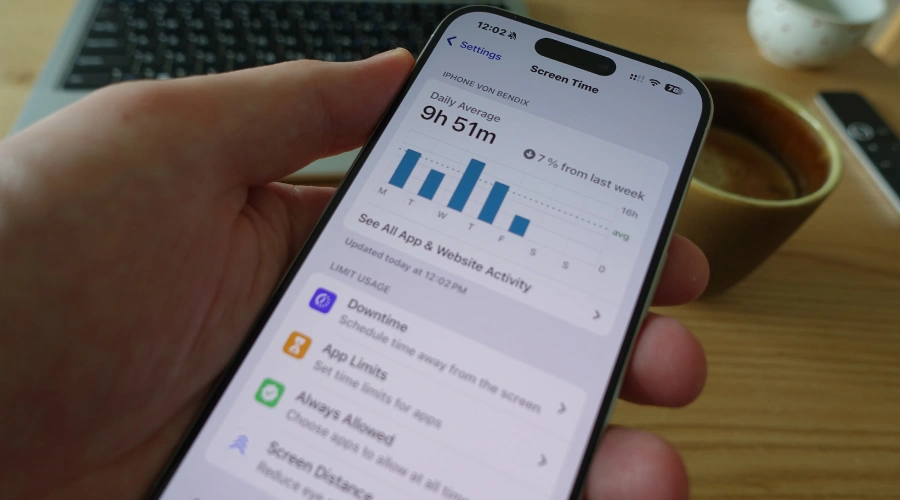
Digital wellbeing looks different for everyone. A therapist can help you find ways to balance your emotional health and social media use. Here are some strategies you might discuss.
Avoid Infinite Scrolling
Again, TikTok is cleverly designed to promote infinite scrolling. Some people find that limiting how much they scroll mitigates effects like spending too much time on the app or avoiding responsibilities, like cleaning or homework.
TikTok has control features you can use to do this. Open the app and click the three lines on the left side of your screen. Then, select “settings and privacy.” Scroll down and tap “screen time.” There, you can schedule breaks and sleep hours.
You can also limit the type of content you see. Using restricted mode may be helpful for limiting content with mature or complex themes. Blocking specific users or keywords can be beneficial in some cases, too.
Don’t Believe Everything You See
Even if you know it logically, it’s important to remind yourself that there is a great deal of false information online. Not just on TikTok, but on Instagram, Facebook, and generative AI platforms (like ChatGPT). With over a billion active users, not everyone on TikTok is “right.”
Furthermore, when it comes to issues like body image and self-esteem, not everyone knows that body parts can be edited in videos. Seeing altered or carefully posed videos regularly can create an unrealistic view of what’s considered “normal.”
Take a Break or Delete the App
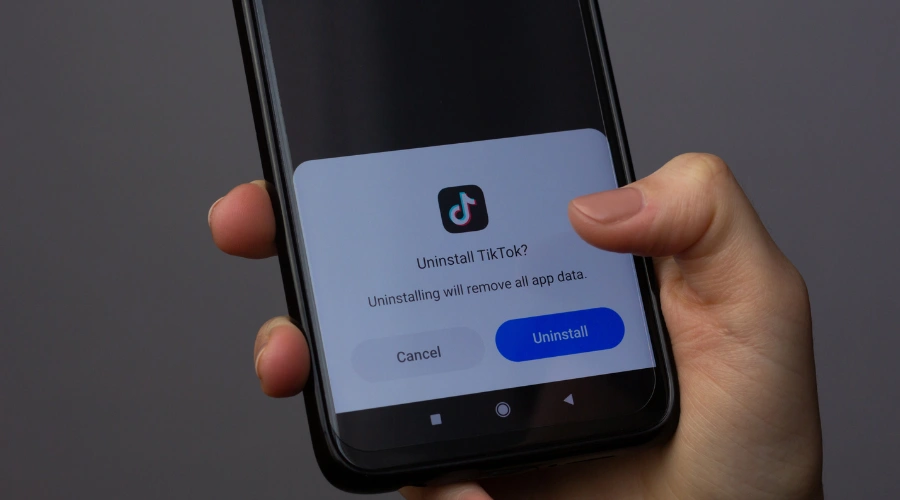
Taking a break from TikTok can help you reflect on whether using the app is healthy for you. It can also help you avoid using social media too much. Consider logging out and temporarily removing the app.
Some find that deleting the viral app entirely is the best choice. If TikTok causes you a great deal of psychological distress or has had other unfavorable effects on your life, it might be time to leave it behind.
Address Internet Addiction
What if you can’t stop? One of the signs of internet addiction is being unable to stop or appropriately limit use, even if you know that it’s affecting you negatively. It’s vital to seek help if you’re struggling with internet addiction or think that you might be.
Find Alternative Forms of Social Support
Some people use social media for emotional support. And, despite the negative impacts TikTok can have, this can be an upside to social media for some people. However, when the disadvantages outweigh the advantages, it’s time to re-evaluate.
Alternative forms of social support can help you get the sense of connection you need without the adverse consequences of the platform. For example, support groups, meeting friends through other means, and individual or group therapy.
Choose Icarus in Nevada for Effective, Personalized Mental Health Support

Social media has a real influence on public health and human behavior. Even if you started using it with the intent of self-expression, social connection, or entertainment, it can have detrimental effects. There’s no shame in what you’re going through.
Icarus Behavioral Health provides effective and personalized mental health treatment in Las Vegas. Our clinicians work with a wide range of mental health concerns, from social media addiction to trauma, grief, depression, eating disorders, and anxiety.
Please call our admissions line confidentially today to learn more about our programs and how our team can help.
Up To 100% of Rehab Costs Covered By Insurance – Call Now!
FAQs About TikTok and Mental Health
Is TikTok addictive?
TikTok can be addictive. Problematic TikTok use (PTU) is a term some researchers use to discuss compulsive behavior and excessive use of the platform.
What are TikTok brain symptoms?
“TikTok Brain” is a nickname for the changes in fundamental cognitive functions (like attention span, memory, and focus), addictive or compulsive behavior, and changes in mood or mental health seen in users.
References
- Jain, L., Velez, L., Karlapati, S., Forand, M., Kannali, R., Yousaf, R. A., Ahmed, R., Sarfraz, Z., Sutter, P. A., Tallo, C. A., & Ahmed, S. (2025). Exploring problematic TikTok use and mental health issues: A systematic review of empirical studies. Journal of primary care & community health.
- Self-harm and suicide-related content on TikTok: Thematic analysis – sciencedirect. (n.d.-ab).
- Opara, E., Mfon-Ette Theresa, A., & Aduke, T. C. (2025). The Impact of Tiktok’s Fast-Paced Content on Attention Span of Students.
- Arshad, D., Joyia, U. M., Fatima, S., Khalid, N., Rishi, A. I., Rahim, N. U. A., Bukhari, S. F., Shairwani, G. K., & Salmaan, A. (2021). The adverse impact of excessive smartphone screen-time on sleep quality among young adults: A prospective cohort. Sleep science (Sao Paulo, Brazil).
- Caponnetto, P., Lanzafame, I., Prezzavento, G. C., Fakhrou, A., Lenzo, V., Sardella, A., Moussa, M. A., & Quattropani, M. C. (2025, January 6). Does tiktok addiction exist? A qualitative study. Health psychology research.