

Exploring the Links Between Alcohol and Irritable Bowel Syndrome
Are you tired of rushing to the bathroom every time you eat something? Maybe you are sick of the gas and abdominal pain that frequently come with irritable bowel syndrome (IBS). The good news is that there may be something you can do to limit IBS symptoms — and it’s easier than you think!
IBS and alcohol intake are inexplicably linked, with alcohol leading to more inflammation of your gut. You’ll experience increased gut motility and permeability, as well as worsened symptoms, due to FODMAPs (more on these later) in the drinks you consume. All of this leads to increased trips to the bathroom and more severe symptoms.
Cutting alcohol is the obvious answer to get these IBS symptoms under control. Icarus Behavioral Health Nevada is waiting when you’re ready to get a handle on your drinking. Our JCAHO-accredited facility offers a safe environment for you to heal, both physically and emotionally.
Here’s what you should know about how drinking impacts your digestive health.
Does Drinking Alcohol Affect Digestive Health?

Drinking alcohol with a pre-existing condition like irritable bowel syndrome (IBS) can worsen symptoms that make you feel uncomfortable and inconvenienced. While it would be best to avoid drinking if you’re experiencing symptoms, some people will still choose to drink.
Knowing how alcohol triggers IBS symptoms can help you make an informed decision about how you want to handle your gastrointestinal symptoms.
How Does Alcohol Consumption Impact the Gastrointestinal System?
The first thing you should know is how alcohol consumption may affect the digestive tract. There are three major ways that alcohol affects IBS. Understanding how each of them affects the body can help you prevent abdominal pain and avoid triggering symptoms.
Of course, the best thing you can do to minimize these symptoms is to give up alcohol intake once and for all. Let these symptoms convince you that drinking alcohol isn’t worth the IBS symptoms you’re likely to experience.
Get Effective Detox and Rehab Options at Icarus
Stimulation of the Digestive Tract and Gut Motility
Alcohol is well-known for increasing the activity of the digestive tract. It contributes to inflammation in the stomach and intestines, which can be uncomfortable and may also trigger IBS symptoms. While it can lead to acid reflux, the opposite end of the digestive tract can be equally affected.
While things are moving at a rapid pace with the consumption of alcohol, your irritable bowel syndrome may be triggered. You’ll experience more emptying of the bowels in the form of diarrhea, more frequent bowel movements, and even severe abdominal pain.
This is often worsened if you have excessive drinking in a short period of time. Binge drinking and even heavy drinking habits are more likely to lead to severe increases in symptoms compared to moderate intake.
Keep in mind that symptoms of IBS may not surface immediately upon drinking. For some people, the next-day symptoms are more pronounced, which can complicate the understanding of what caused it. Maintaining a food diary can help you pinpoint what leads to the most symptoms.
Leaky Gut and Intestinal Permeability
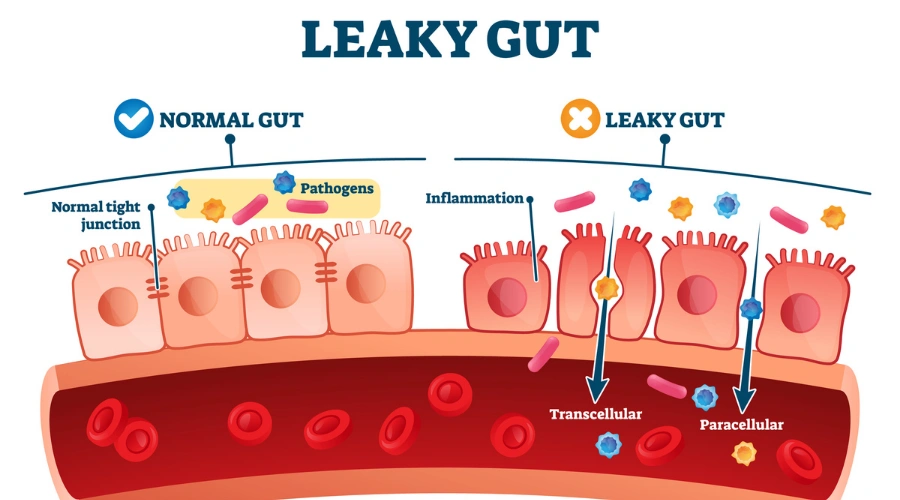
If you have IBS, alcohol can worsen it with increased symptoms of leaky gut. Alcohol can increase the permeability of the intestinal lining, allowing the gut microbiota to be disrupted. Instead of managing the gut microbiota, it allows toxins to enter the bloodstream, triggering inflammation in a condition known as leaky gut.
It may also kill off the good bacteria in the gut, making it harder to digest and manage symptoms. As the gut becomes progressively less healthy, an increase in inflammatory bowel disease is common. It leads to an increase in diarrhea and exacerbates your symptoms.
Leaky gut can be triggered by certain foods, such as gluten from beer. The type of drink and the amount consumed can determine the severity of your symptoms. Stress can also compound symptoms, making it essential to get mental health help to counteract IBS.
It’s also worth noting that drinking doesn’t just damage the intestinal lining. It also promotes damage to other organs that are part of the gastrointestinal tract, such as the liver.
Alcohol and IBS Symptoms Worsen with FODMAPs
Because of the way that alcohol triggers inflammation in the digestive tract, you’re likely to see that any of your existing IBS symptoms become worse. You may experience increased gas, diarrhea, bloating, cramping, and abdominal pain.
This is, in part, due to a decreased tolerance for FODMAPs, which can increase side effects. FODMAPs are a type of carbohydrate that is more difficult for the body to absorb, leading to an increase in the severity of irritable bowel syndrome and other inflammatory bowel diseases.
Alcohol tends to be high in FODMAPs. Unsurprisingly, limiting FODMAPs in your diet can lead to sharp decreases in IBS symptoms.
There are also other foods that can trigger symptoms, such as lactose and high fructose corn syrup. The main culprit is malabsorption, triggering abdominal pain, bloating, gas, and diarrhea. The current research suggests that people with IBS can have about 12 grams of lactose a day.
How to Limit the Way Alcohol Affects IBS
How can you help relieve symptoms of irritable bowel syndrome? Stomach pain and increased trips to the bathroom can significantly hinder your ability to enjoy life. The good news is that there are some easy ways to help symptoms subside — and it starts with drinking in moderation.
Can You Enjoy Alcohol in Moderation Without Damaging Your Gut?
The first and most important thing you can do to manage irritable bowel syndrome is to limit alcohol intake. Binge drinking, where you consume a lot of alcohol over a short span of time, will lead to an increase in IBS symptoms. If you can enjoy alcohol in moderation, IBS may not pose a problem.
For most people, this means limiting themselves to one or two alcoholic beverages at a time. It also means only drinking a few days each week. The more frequently you consume, the less chance your digestive system has to reduce inflammation, which can worsen IBS.
Keep in mind that the gold standard for treating your IBS symptoms would be to eliminate alcohol from your diet altogether. Not only does it worsen symptoms, but it can also be a maladaptive coping skill that keeps you from handling stress and mental health effectively.
Icarus Behavioral Health Nevada can help you take the first steps away from booze so that you can get your IBS under control once and for all.
Get Accredited Treatment Programs at Icarus – Call Now!
Can You Decrease FODMAPs for IBS and Celiac Disease?
Irritable bowel syndrome and celiac disease are both triggered by FODMAPs. These hard-to-digest carbs are easy to decrease in your diet, and can help you manage digestive symptoms. IBS patients should consider what they imbibe, even if it is only an occasional drink.
Low FODMAP alcoholic drinks include beer, red or white wine, and spirits such as vodka and whiskey. Keep in mind that someone who struggles with IBS and celiac disease may still have issues with some carbonated beverages and gluten.
To be on the safe side, you may want to eliminate alcohol from your diet if you find that FODMAPs are a trigger for your irritable bowel syndrome. This can be helpful, even for just a short while, to prove that a low FODMAP diet can lead to a decrease in overall symptoms of IBS.
Can You Adopt an Active Lifestyle to Avoid Alcohol and IBS Issues?

Another thing that can help beyond the dietary guidelines for IBS sufferers is committing to an active lifestyle. Symptoms of IBS and alcohol dependence can be decreased with stress management, and a part of managing those feelings is exercise.
If possible, aim to work out for approximately 150 minutes each week at a moderate intensity. This type of exercise helps regulate gut motility, encourages beneficial bacteria to populate the gut microbiome, and reduces overall stress levels that can exacerbate symptoms of IBS.
Not to mention, exercise and an active lifestyle are beneficial for your mental health.
Can You Decrease Alcohol Use with Stress Management Techniques?
For some people, it isn’t a matter of simply avoiding making symptoms worse. The body reacts with a visceral response when confronted with alcohol, causing severe symptoms. Maybe you could benefit from eliminating IBS triggers altogether.
Receiving treatment for the stress triggers that worsen symptoms of IBS can help. You may need to work with a trained therapist to introduce stress management techniques into your daily routines, but these can help you cut back on drinking and minimize IBS symptoms simultaneously.
Giving Up Alcohol Consumption to Relieve IBS Symptoms
Of course, the easiest solution to an increase in irritable bowel symptoms is to eliminate the triggers that cause them. Balanced diets can help with cramping, gas, abdominal bloating, and diarrhea, but even one alcoholic beverage can lead to IBS flare-ups.
The solution?
It may be time to get help eliminating alcohol from your diet for a noticeable improvement in symptoms.
Icarus Behavioral Health Nevada knows how difficult it can be to give up alcohol for good, but we also know how to help. When you enroll in our treatment options, you get comprehensive help for a range of mental health concerns. We can make you comfortable while your body adjusts to life without alcohol.
Why Choose Icarus Behavioral Health Nevada for Alcohol Treatment?

Our clinical team knows that developing IBS didn’t happen overnight. We’ll help you learn to adjust to a life without alcohol in the program that works best for you. Residential treatment is often the first step, allowing you to reside in our accredited facility while you adjust.
Here, you’ll have access to 24/7 help with the cravings and physical symptoms of giving up alcohol. A therapist or counselor can talk you through cravings while medical staff ensure that you’re comfortable.
Once you graduate from inpatient, we also offer flexible outpatient programs. You can visit us during the day and return to your own bed at night.
We are a Joint Commission-accredited facility, ensuring your safety and comfort at all levels. We also accept many forms of private insurance, making the cost of care affordable.
Up To 100% of Rehab Costs Covered By Insurance – Call Now!
Get Support to Quit Alcohol at Icarus in Nevada Today
Are you ready to start getting control over your irritable bowel syndrome and alcohol consumption? If so, there has never been a better time to contact Icarus Behavioral Health Nevada (with our two convenient locations in Las Vegas and Henderson.)
Our admissions team is ready and waiting to answer your questions about what treatment could look like. In a quick, confidential, and discreet phone call, we can verify your insurance benefits to help you understand the anticipated costs, if any apply.
Let us take one thing off your plate and help get IBS symptoms under control in a life without alcohol. Reach out to us today to learn more about how we can help!
References
- Reding, K. W., Cain, K. C., Jarrett, M. E., Eugenio, M. D., & Heitkemper, M. M. (2013). Relationship between patterns of alcohol consumption and gastrointestinal symptoms among patients with irritable bowel syndrome. The American journal of gastroenterology, 108(2), 270–276.
- Lacy, B. E., Wise, J. L., & Cangemi, D. J. (2024). Leaky Gut Syndrome: Myths and Management. Gastroenterology & hepatology, 20(5), 264–272.
- Bishehsari, F., Magno, E., Swanson, G., Desai, V., Voigt, R. M., Forsyth, C. B., & Keshavarzian, A. (2017). Alcohol and Gut-Derived Inflammation. Alcohol research : current reviews, 38(2), 163–171.
- Nanayakkara, W. S., Skidmore, P. M., O’Brien, L., Wilkinson, T. J., & Gearry, R. B. (2016). Efficacy of the low FODMAP diet for treating irritable bowel syndrome: the evidence to date. Clinical and experimental gastroenterology, 9, 131–142.
- Capili, B., Anastasi, J. K., & Chang, M. (2016). Addressing the Role of Food in Irritable Bowel Syndrome Symptom Management. The journal for nurse practitioners : JNP, 12(5), 324–329.
- Reding, K. W., Cain, K. C., Jarrett, M. E., Eugenio, M. D., & Heitkemper, M. M. (2013). Relationship between patterns of alcohol consumption and gastrointestinal symptoms among patients with irritable bowel syndrome. The American journal of gastroenterology, 108(2), 270–276.
- Morariu, I. D., Avasilcai, L., Vieriu, M., Lupu, V. V., Morariu, B. A., Lupu, A., Morariu, P. C., Pop, O. L., Starcea, I. M., & Trandafir, L. (2023). Effects of a Low-FODMAP Diet on Irritable Bowel Syndrome in Both Children and Adults-A Narrative Review. Nutrients, 15(10), 2295.
- Qin, H. Y., Cheng, C. W., Tang, X. D., & Bian, Z. X. (2014). Impact of psychological stress on irritable bowel syndrome. World journal of gastroenterology, 20(39), 14126–14131.
- Li, C., Li, J., Zhou, Q., Wang, C., Hu, J., & Liu, C. (2024). Effects of Physical Exercise on the Microbiota in Irritable Bowel Syndrome. Nutrients, 16(16), 2657.


